Plant-Based Protein Quality Meta-Analyses
Published February 2026 | Contemporary Review
Overview of Recent Plant Protein Research
Recent meta-analyses from 2024–2025 provide updated perspectives on plant-based protein quality, amino acid completeness, and physiological utilization. Contemporary research continues to examine how plant proteins are processed, absorbed, and utilized compared to animal protein sources.
Key Research Findings
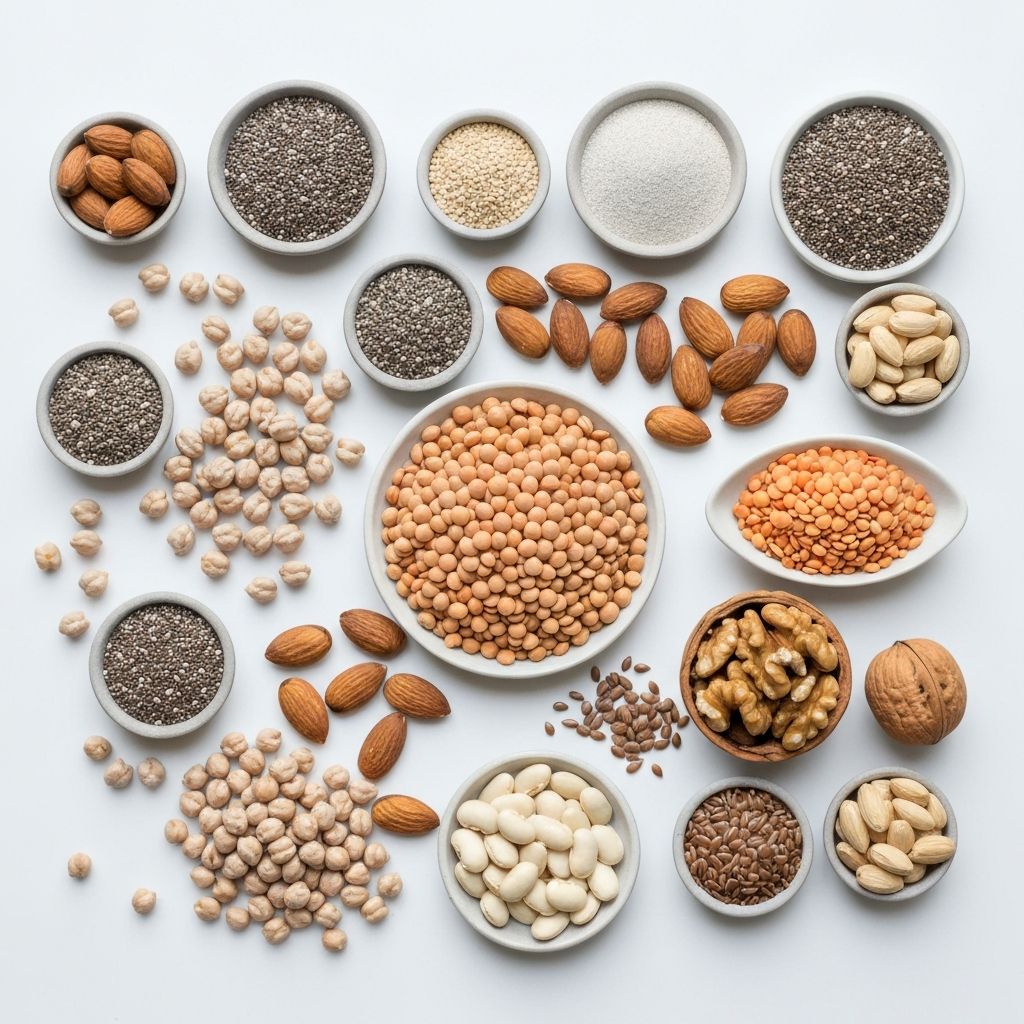
Amino Acid Profiles: Contemporary meta-analyses confirm that individual plant proteins vary in amino acid composition. Some plant sources (legumes combined with grains) provide complementary amino acid profiles. Current evidence suggests that consuming varied plant proteins throughout the day supports adequate amino acid availability.
Bioavailability Considerations: Recent research examines how processing methods (cooking, sprouting, fermenting) affect amino acid bioavailability from plant sources. Contemporary findings indicate that food preparation and combinations influence nutrient accessibility.
Protein Utilization: Pooled analyses of recent studies suggest that the body can effectively utilize plant protein across diverse populations when adequate total protein intake is consumed. Individual variation in digestive efficiency remains substantial.
Practical Context
Contemporary evidence indicates that plant-based diets can provide adequate protein when designed to include varied sources and sufficient total intake. Recent meta-analyses support the concept that protein source diversity relates to complete amino acid availability over time rather than within single meals.
Research Limitations
Meta-analyses aggregate studies with varying methodologies, populations, and contexts. Individual responses to plant proteins differ substantially. Current conclusions may be updated as new research emerges. This represents contemporary scientific understanding, not individual recommendations.
Note: This article presents research findings for educational purposes. Actual protein intake decisions should involve consideration of individual circumstances, dietary preferences, and professional guidance when appropriate.